
10. Berries: Natural Sweets
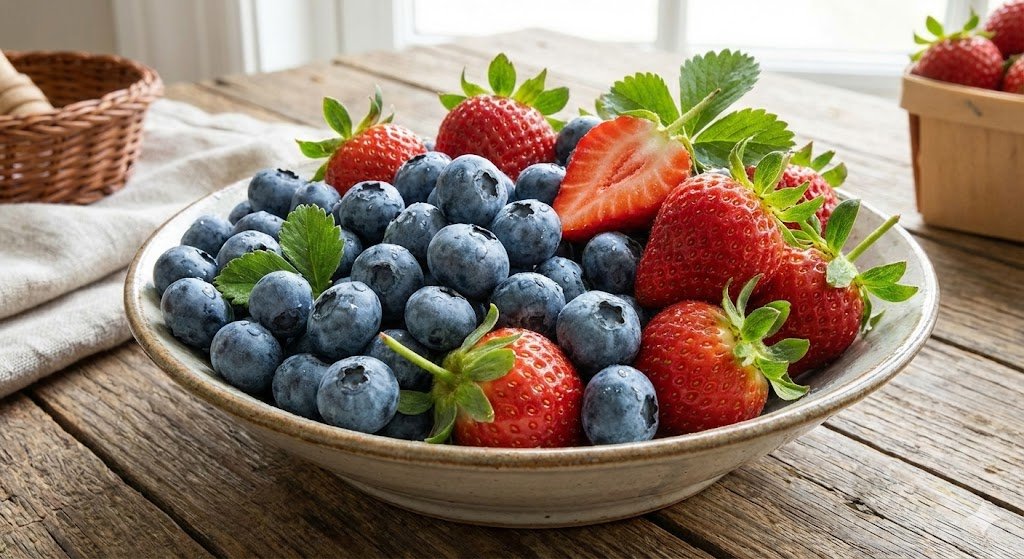
Strawberries, blueberries, and blackberries are not just delicious; they are incredibly good for your heart. They are rich in flavonoids, which are powerful antioxidants that help lower blood pressure and dilate blood vessels.
A study showed that women who ate more than three servings of blueberries and strawberries a week had a lower risk of heart attack. The fiber in berries also helps control cholesterol levels. They are the perfect dessert substitute for seniors looking to cut down on processed sugar.
11. Green Tea: The Soothing Cleanser

Replace your second cup of coffee with green tea. Green tea is rich in catechins, which are antioxidants that hinder the absorption of cholesterol during digestion.
Drinking green tea regularly has been linked to a reduced risk of clogged arteries. It also helps improve the ratio of good cholesterol to bad cholesterol. It’s a gentle, hydrating way to flush toxins and keep your blood vessels clear.
12. Dark Chocolate: The Guilty Pleasure
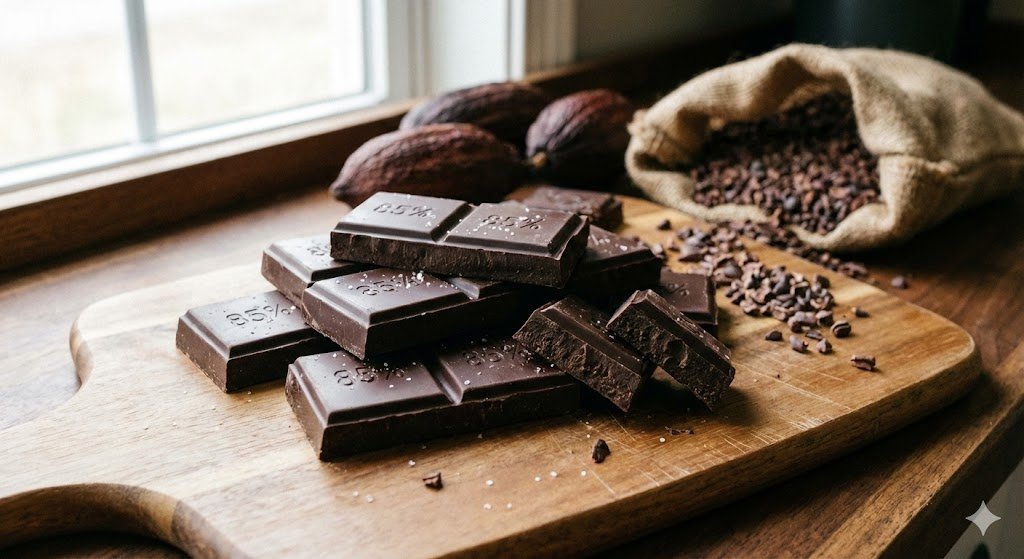
Yes, you read that right. Chocolate can be good for your heart, provided it is dark chocolate with at least 70% cocoa content. Dark chocolate contains flavonoids, similar to those found in berries.
These compounds help lower blood pressure and improve blood flow to the heart and brain. It also reduces the stickiness of platelets, making your blood less likely to clot. Enjoy a small square or two as a treat—your heart will thank you!
Small Changes, Big Results

Keeping your arteries clean doesn’t require a complete lifestyle overhaul overnight. By incorporating these 12 foods into your daily diet, you are taking proactive steps to protect your heart health.
Remember, consistency is key. Combine these dietary changes with light exercise, like walking, and regular check-ups with your doctor. Your golden years should be spent enjoying life, not worrying about your heart. Start with one meal at a time, and let food be your medicine.
Disclaimer: This content is for informational purposes only and does not substitute professional medical advice. Always consult your doctor before changing your diet.