
Are You Ruining Your Knees Without Knowing It?

Knee pain is often accepted as an inevitable part of aging. We assume that once we hit 50 or 60, stiffness and aches are just part of the package. But what if the pain isn’t just “old age”?
Orthopedic experts reveal that many cases of chronic knee pain are actually caused—or worsened—by seemingly innocent daily habits. From the shoes you wear to how you sleep, small mistakes can grind down your cartilage over time.
The good news? It’s never too late to stop the damage. We have identified 15 common habits that might be hurting your joints right now. Correcting just one of these could save you from surgery down the road.
1. Wearing the Wrong Shoes
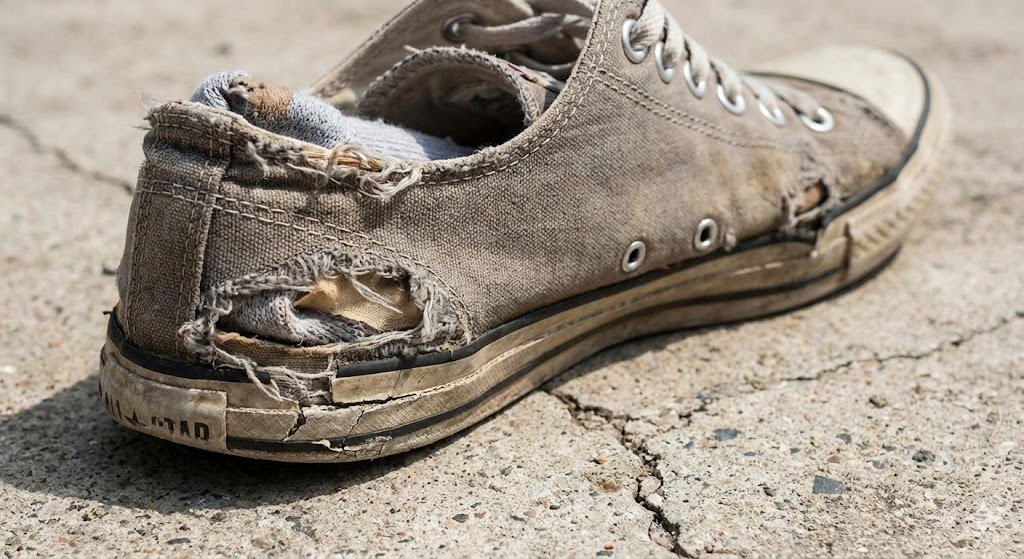
Your knees rely heavily on your feet for alignment. If your shoes are old, unsupportive, or completely flat (like flip-flops), your knees take the brunt of every step.
Wearing high heels or shoes with worn-out soles changes your center of gravity, increasing pressure on the inner part of the knee joint. This accelerates wear and tear on the cartilage. The Fix: Invest in shoes with good arch support and cushioning, specifically designed for walking.
2. Sitting Too Low
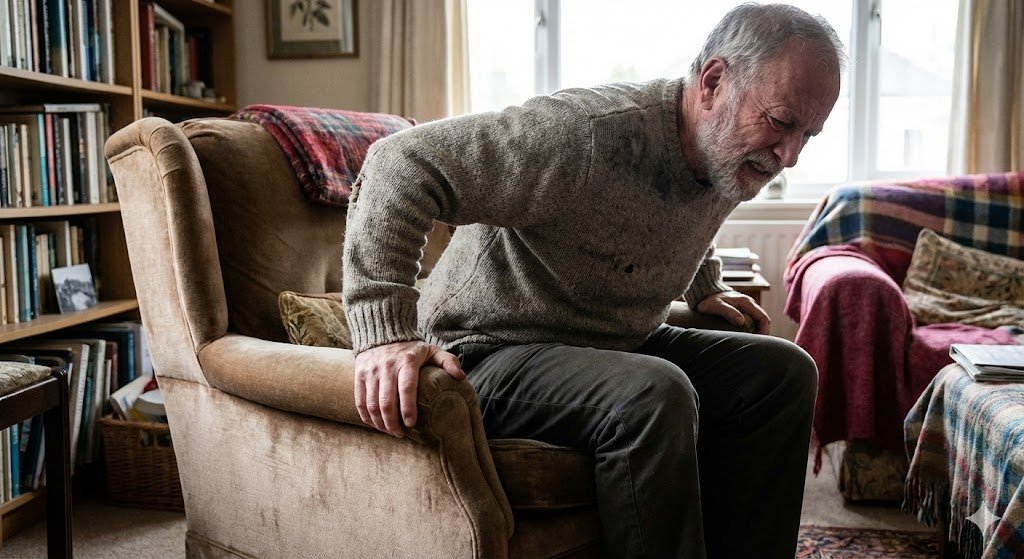
Do you have a favorite deep, soft sofa? While it might feel cozy, getting in and out of low furniture puts massive strain on your patella (kneecap).
When your hips are lower than your knees, the force required to stand up can be three times your body weight. Doing this multiple times a day is a recipe for inflammation. The Fix: Use chairs that keep your hips slightly above your knees, or add firm cushions to your favorite seat.
3. Ignoring Your Weight
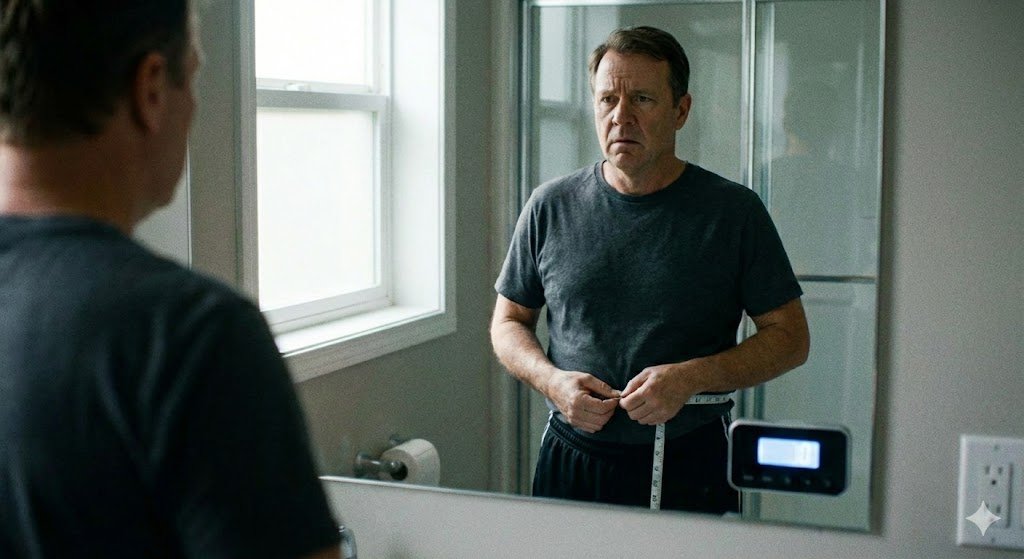
This is the hard truth no one likes to hear: every extra pound of body weight places four pounds of pressure on your knees while walking. If you are 10 pounds overweight, that’s 40 pounds of extra force on your joints with every step.
Over time, this excess pressure crushes the meniscus and cartilage. The Fix: You don’t need to become a marathon runner. Losing just 5% of your body weight can significantly reduce knee pain and slow down arthritis.
What’s the Next Step for Your Knees?
While adjusting these daily habits is a crucial first step, it might not be enough if you are already dealing with stiff, achy, or “bone-on-bone” knees.
If you’ve been told you might need knee replacement surgery in the future, or if you rely on daily painkillers just to get by, there is an urgent update you need to know about.
Top joint experts have recently revealed a bizarre, yet highly effective 1-minute “seated towel routine”.
You can do it right from your chair. It’s completely beginner-friendly, incredibly gentle on your joints, and specifically designed to help silence knee pain and rebuild strength without forcing you under the surgeon’s knife.
Before you consider another expensive treatment, you need to see how this simple daily routine works.
👉 [Click Here to Watch the Video: The Simple 1-Minute Seated Routine to Eliminate Knee Pain For Good]
4. Sleeping in the Wrong Position

Believe it or not, your knees can get hurt while you dream. If you sleep on your side with one knee resting directly on top of the other, the friction and pressure can cause morning stiffness and pain.
Similarly, sleeping on your stomach can twist the hips and strain the knee ligaments. The Fix: If you are a side sleeper, place a pillow between your knees. This keeps your hips aligned and takes the pressure off the joints.
5. Skipping “Motion”
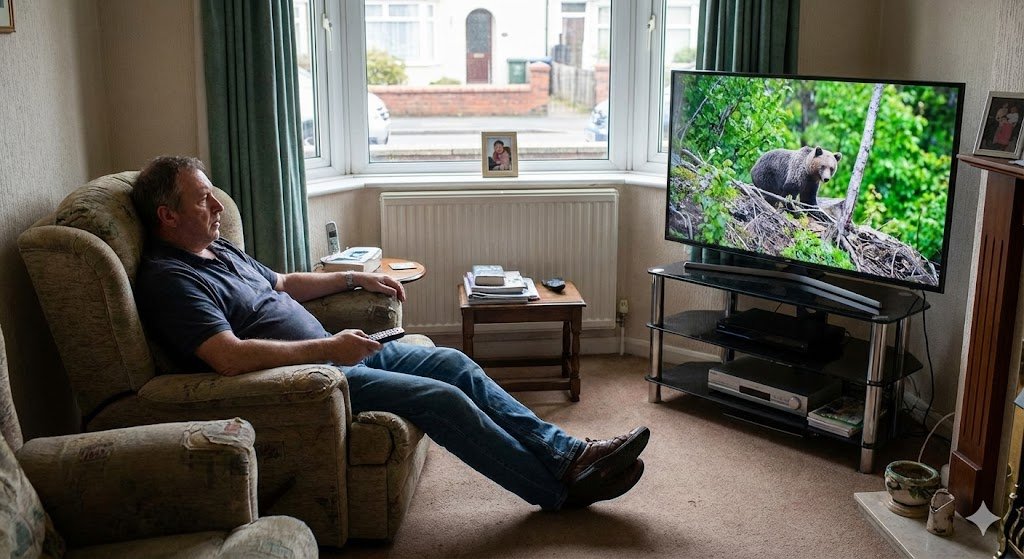
There is a saying in physical therapy: “Motion is Lotion.” Your knee cartilage doesn’t have a direct blood supply; it gets nutrients from the joint fluid, which only circulates when you move.
If you sit for hours at a time, your joints “dry out” and become stiff. A sedentary lifestyle is actually worse for arthritis than moderate activity. The Fix: Get up every 30 minutes. Even a quick walk to the kitchen helps lubricate the joints.
6. Walking on Hard Surfaces Only

Concrete and asphalt are unforgiving. Walking or running exclusively on these hard surfaces sends shockwaves straight up your shins and into your knees.
While walking is great exercise, the terrain matters. The Fix: Whenever possible, choose softer ground like grass, dirt paths, or a treadmill with shock absorption. If you must walk on concrete, ensure your shoes have premium cushioning.
7. Overdoing High-Impact Exercise

Staying active is crucial, but certain exercises can do more harm than good as we age. Deep lunges, deep squats, or high-impact jumping jacks can place excessive torque on the knee ligaments.
If you already feel a twinge of pain, pushing through it with “no pain, no gain” mentality is dangerous. The Fix: Switch to low-impact activities like swimming, cycling, or elliptical machines. They build muscle without the pounding impact.
8. Eating Inflammatory Foods

Your knees aren’t just affected by physical pressure; they are affected by what you eat. A diet high in sugar, processed meats, and refined carbs triggers systemic inflammation in the body.
This inflammation attacks the weakest points—often the joints—making arthritis pain significantly worse. The Fix: Add anti-inflammatory foods to your diet, such as fatty fish (Omega-3), walnuts, and berries.
9. Dehydration
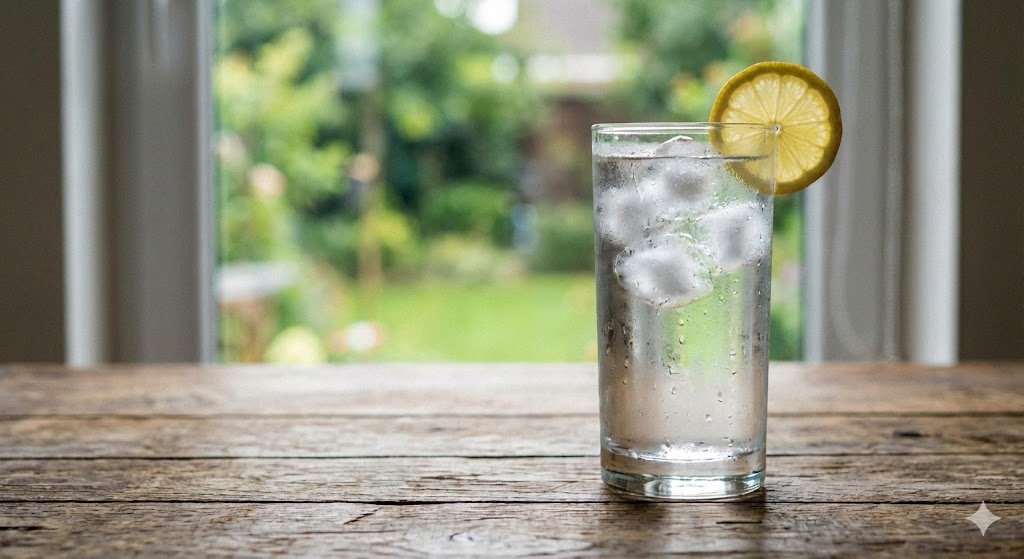
Did you know that water is a key component of your cartilage? Keeping your body hydrated helps maintain the shock-absorbing properties of the tissue in your knees.
Chronic dehydration can make the cartilage brittle and less able to recover from daily wear and tear. The Fix: Drink water consistently throughout the day. If your urine is dark, your knees might be thirsty too.
10. Ignoring Early Pain
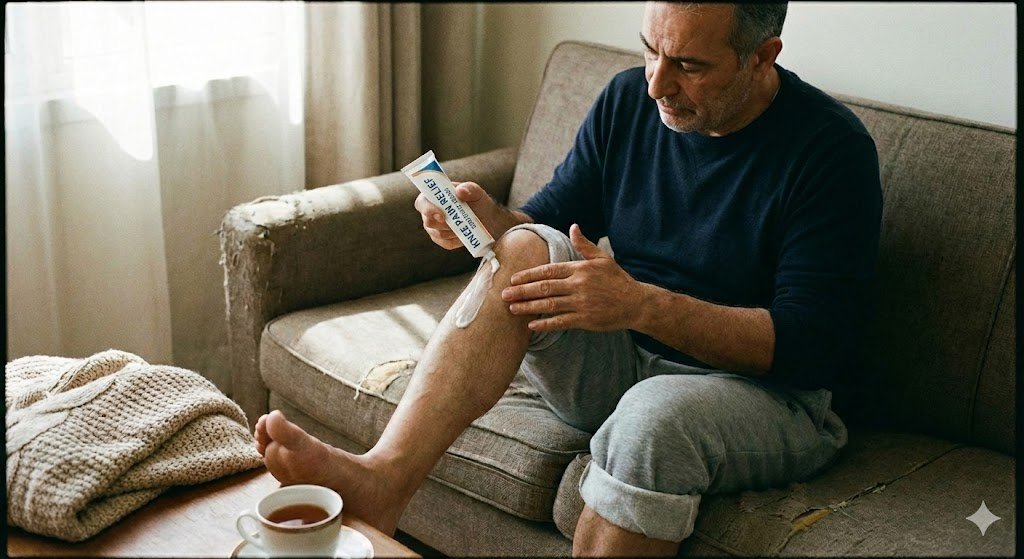
Many people feel a slight “click” or ache in their knee and ignore it, hoping it will go away. Masking the pain with painkillers without addressing the root cause is a huge mistake.
Pain is your body’s check-engine light. Ignoring it often leads to compensation patterns (walking differently), which can ruin the other knee or your hips. The Fix: If pain persists for more than a week, see a specialist. Early intervention (like physical therapy) can prevent surgery later.
11. Protect Your Mobility

Your knees are engineering marvels designed to last a lifetime, but they need proper care. By eliminating these damaging habits, you can significantly extend the life of your joints and remain active well into your golden years.
Start by changing your shoes and watching your posture today. Small adjustments yield massive results over time.
Disclaimer: This article is for informational purposes only. Always consult a physician for joint pain.